Elevate Your Home With Expert Architecture Solutions
Advancing a home through professional architecture services involves more than just visual elements. It requires a deep insight of usable design and state construction regulations. Working with an veteran architectural professional can tackle everyday obstacles while enhancing property value. The process is strategic and exhaustive, guaranteeing that every detail harmonizes with the homeowner's expectations. Yet, many homeowners encounter challenges to navigate this journey competently. What steps can they take to cement a successful partnership?
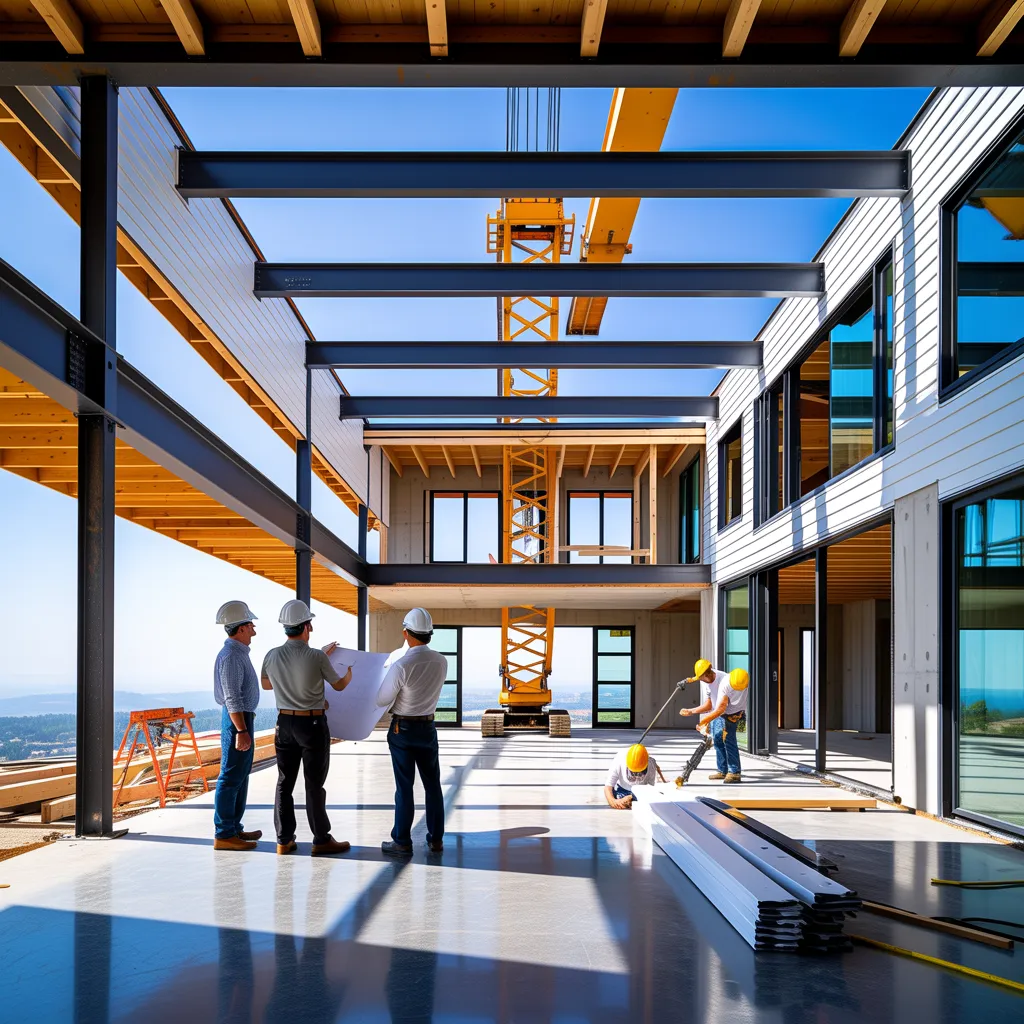
Common Home Design Challenges and How Architects Assist
What makes home design so tough for countless homeowners? The difficulty of combining aesthetic tastes with everyday needs often overwhelms them. Homeowners commonly face challenges with room constraints, budget challenges, and legal requirements, complicating harder. Additionally, many lack the technical knowledge needed to manage structural challenges and building codes.
Architects represent an important role in easing these difficulties. Their background enables them to handle the subtleties of architecture, confirming that a homeowner's goal agrees with actual circumstances. Architects can offer novel approaches to improve space while following health regulations. They also participate in forming connected designs that showcase the resident's taste. By sharing perspectives into substances and building techniques, architects support accelerate the decision stage. Ultimately, their competence translates a seemingly challenging project into a partnered experience, encouraging a equilibrated balance between originality and usefulness in residential design.
Advantages of Engaging With a Professional Architect
Partnering with a professional architect strengthens the home design experience by blending specialized understanding with the owner's dreams. Architects present a extensive background in design principles, building codes, and environmental practices, guaranteeing that the endeavor not only achieves visual aspirations but also adheres to regulations. Their capacity to imagine and articulate challenging concepts aids in adapting conceptual frameworks into tangible designs.
Moreover, architects can deliver forward-thinking solutions to layout obstacles, refining functionality and layout. They also oversee the complications of the construction phase, liaising with contractors and suppliers to maintain finances and schedules are followed. This professional management minimizes errors and reduces the stress associated with home remodeling or construction. Ultimately, engaging with an architect produces a cohesive, well-crafted space that embodies the homeowner's essence while boosting overall home worth.
What Are the Important Phases in the Building Design Process?
What is the way the architectural process unfolds from initial idea to completion? The progression starts with an first meeting, where the designer and customer address objectives, needs, and financial resources. This stage is vital for establishing a clear vision. applicable information Subsequently, the architect performs site analysis, examining aspects like terrain, weather patterns, and zoning regulations.
Following this, the planning stage commences. Here, renderings and virtual prototypes are developed, enabling the client to visualize the project. Once the design is completed, the architect creates comprehensive building plans, containing specifications and drawings.
Upon acquiring required permits, the project moves into the building stage. The architect regularly works with contractors to guarantee that the design is implemented correctly. Frequent on-site inspections and assessments help preserve quality and compliance to the original vision. Finally, the project culminates in a walkthrough, confirming that the completed structure satisfies the client's requirements before the official transfer.
How Do You Find the Ideal Architect for Your Home?
Locating the ideal architect for a home requires careful evaluation and research. Prospective homeowners should begin by determining their particular requirements and budget, which will guide their hunt. Recommendations from friends, family, or property professionals can offer useful connections. Online collections of work and reviews help in evaluating an designer's previous projects and client satisfaction.
Next, interested parties should speak to various candidates to measure their communication style, background, and design approach. It's critical to discuss project parameters and timeline expectations to confirm alignment. Additionally, checking credentials and reviewing appropriate certifications and licenses can prevent future complications.
To conclude, homeowners should go with their instincts. The excellent architect should not only command the necessary skills but also harmonize with the homeowner's vision and values. This mutual understanding encourages a team-oriented atmosphere, finally enabling a successful partnership in realizing a cherished residence.
Strategies for Sharing Your Objectives Efficiently
Expressing a direction for home design effectively is important for a strong partnership between homeowners and architects. To attain this, residents should commence by explicitly determining their desires and preferences. Assembling a visual guide with visuals, tones, and materials can help expressing aesthetic wants. Additionally, detailing operational requirements, such as room size and layout, ensures that the architect understands practical considerations.
Home owners should also take part in candid conversations, promoting questions and feedback to refine their vision. Frequent discussions during the design process promote teamwork and openness. Employing straightforward language to express ideas and concerns can avert confusion and help align goals.
In conclusion, staying open to the architect's skills permits a more lively conversation. By uniting personal vision with professional insight, homeowners can establish a constructive relationship that produces a beautifully designed space expressing their aspirations.
Tips for Financial planning Building design Services
As you commence a home design project, establishing a budget for architecture services is necessary to avert financial strain later. Homeowners should begin by exploring typical fees in their area, which can vary based on the project's complexity and the architect's experience. It is advisable to allocate a percentage of the overall project cost specifically for architectural services, typically ranging from 5% to 15%.
Next, buyers should examine the extent of services essential—whether they need total design and project administration or merely initial consultations. Discussing openly with candidate architects about their fee structures can elucidate financial implications.
Additionally, property owners should consider unexpected expenses and potential revisions, creating a buffer in the budget. By clearly defining their financial parameters upfront, customers can ensure they select an architect who reflects their objectives while remaining within their financial limits.
Frequently Asked Questions
What Designs of Architecture Can I Choose for My Home?
Homeowners may pick from diverse building designs, including modern, traditional, colonial, Mediterranean, and contemporary. Each style delivers unique appearance and utility, permitting individuals to demonstrate personal taste while accounting for regional influences and environmental factors.
How Long Does the Architectural Process Typically Require?
The design process typically takes many months, based on design complexity, design approvals, and regional requirements. Aspects such as client comments and construction schedules can also impact the timeline significantly throughout the project.
Can Design experts Provide Guidance With Environmental Planning Possibilities?
Architects can indeed help eco-conscious design alternatives. They integrate eco-friendly materials, efficient energy systems, and creative floor plans, ensuring projects reduce environmental impact while maximizing functionality and aesthetic appeal, aligning with clients' sustainability goals successfully.
What Credentials Should I Consider in an Design Professional?
When bringing on an architectural professional, one should take into account their education, professional standing, experience in relevant projects, compilation of work displaying their design approach, and awareness of local regulations. Capacity for clear communication and endorsements from satisfied clients also hold significant importance in the decision-making process.
How Do Design Specialists Address Zoning and Permit Obstacles?
Architects handle zoning and permit issues by conducting thorough research on local regulations, preparing necessary documentation, and liaising with municipal authorities. Their knowledge guarantees adherence, expediting the approval process for customer developments efficiently.